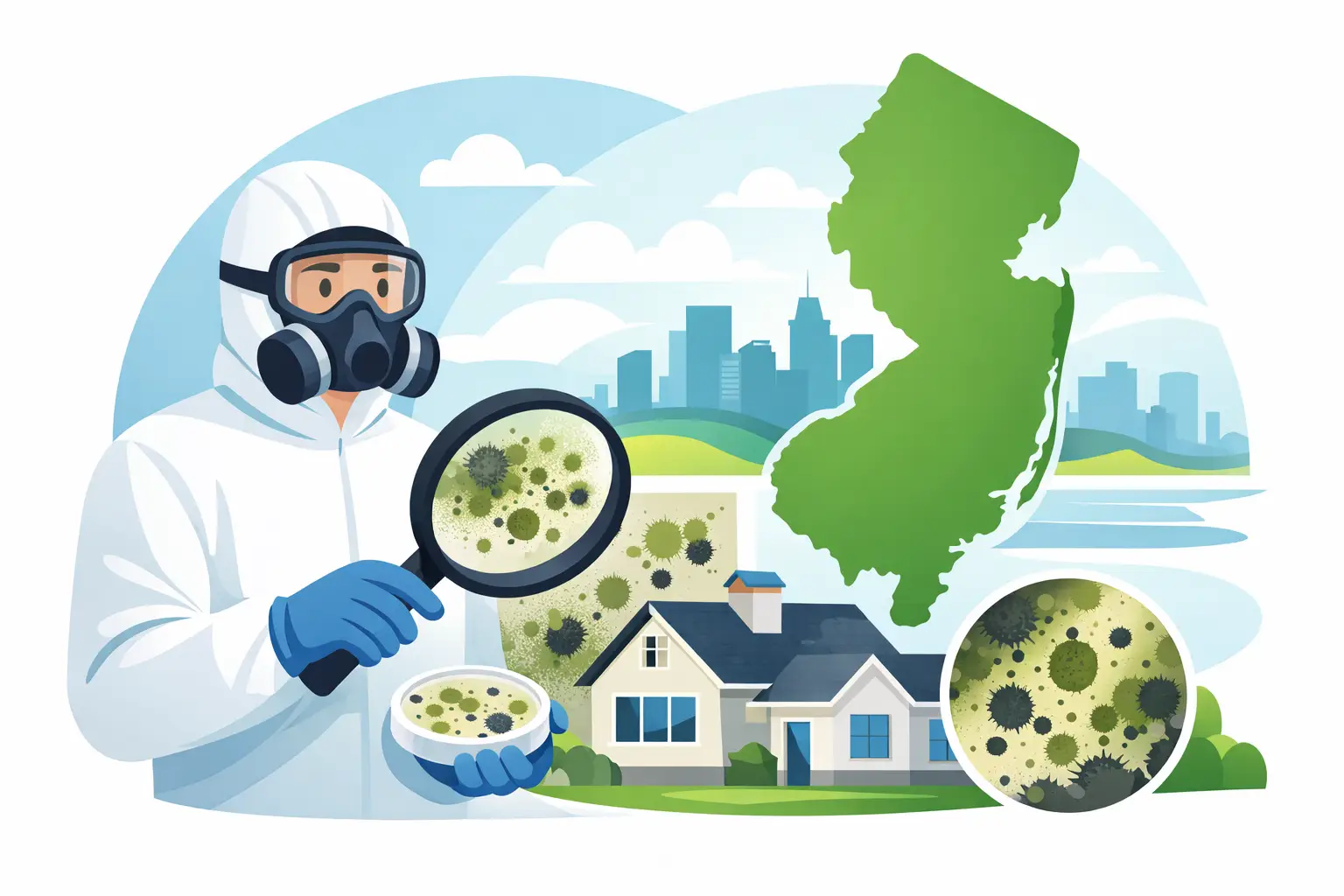
If you are searching for certified mold testing near me, there is a good chance something in your home already feels off. Maybe the basement smells musty after rain. Maybe you found discoloration behind a couch, under a sink, or around a window. Maybe a leak was repaired, but the odor never went away. In New Jersey homes, especially in areas with older basements, storm exposure, and seasonal humidity, those signs should not be brushed aside.
Certified mold testing is not just about confirming that mold exists. It is about identifying what is happening, where moisture is feeding it, and whether the problem is isolated or spreading through the air and hidden building materials. For homeowners, landlords, and property managers, that distinction matters. You do not want to guess wrong and leave contamination behind.
What certified mold testing near me should actually include
A proper mold inspection and testing appointment should begin with a visual assessment of the property, not a random sample taken without context. A certified professional should look for water intrusion, active leaks, humidity issues, staining, condensation patterns, and areas where mold commonly develops, such as crawl spaces, attics, utility rooms, and basement corners.
From there, testing may include air sampling, surface sampling, or both. It depends on the conditions in the home. Air samples can help identify elevated spore levels and compare indoor air to outdoor control samples. Surface samples help confirm whether suspect growth is mold and may help identify the type present on building materials or contents.
That said, more testing is not always better. If mold is already visible across a large affected area, the priority may shift toward containment and remediation planning rather than collecting unnecessary samples. A certified inspector should explain that trade-off clearly. Good testing answers a question. It should not be sold as a generic add-on.
Why certification matters when testing for mold
Anyone can claim to offer mold testing. Certification is what helps separate a trained professional from a person with a moisture meter and a marketing pitch.
A certified mold inspector should understand building science, cross-contamination risks, sampling protocols, and how to interpret findings in context. That matters because a lab result by itself does not tell the whole story. Mold growth is tied to moisture, and moisture problems are tied to the structure of the home. If the inspector cannot connect those pieces, you may end up with a report that sounds technical but does not help you solve the problem.
Certification also supports a more defensible process. For homeowners dealing with real estate transactions, tenant complaints, post-remediation verification, or insurance-related documentation, that professionalism matters. Clear findings, proper sample handling, and accurate reporting can make a major difference when decisions need to be made quickly.
When New Jersey homeowners should schedule testing
Not every stain is mold, and not every mold issue requires extensive sampling. Still, there are situations where certified testing is the smart next step.
If your home has a persistent musty odor, testing can help determine whether mold spores are present in the indoor air even when no obvious growth is visible. If you have had a roof leak, plumbing failure, sump pump problem, or basement flooding event, testing can help assess whether moisture damage has turned into contamination. If occupants are reacting to the environment in a specific area of the home, testing may help identify whether airborne mold is part of the concern.
Testing is also common before buying or selling a home, after remediation work, or when landlords need documentation for habitability concerns. In New Jersey, where heavy rain, humid summers, and below-grade moisture are routine, homes can develop hidden mold in finished basements, wall cavities, and attic spaces without dramatic warning signs.
Common local problem areas in Northern and Central New Jersey
Many homes in Morris, Sussex, Warren, and Somerset counties share a few mold risk patterns. Basements are a major one. Even when there is no standing water, chronic dampness, foundation seepage, and elevated humidity can create conditions for mold behind drywall, under flooring, and along stored items.
Attics are another trouble spot. Poor ventilation, roof leaks, and insulation issues can trap moisture overhead and allow mold to spread across sheathing and framing. Bathrooms with weak exhaust systems often develop mold around ceilings and window trim. Kitchens, laundry rooms, and areas around HVAC equipment also deserve attention because small leaks can continue unnoticed for long periods.
Storm-related moisture is another local factor. After heavy rainfall or snowmelt, homes may take on water through foundations, roof penetrations, window failures, or sump system overloads. Even if the visible water is cleaned up quickly, moisture can remain in porous materials and lead to mold growth within days.
What happens during the testing process
A professional visit usually starts with questions about the property history. When did the odor begin? Has there been water damage? Were repairs made recently? Has anyone noticed worsening conditions in one room or level of the home? That information helps guide the inspection.
The inspector will usually examine moisture-prone areas, check for visible growth, and use tools such as moisture meters or thermal imaging where appropriate. If sampling is warranted, air samples may be taken in targeted indoor areas along with an outdoor comparison sample. Surface samples may be collected from suspicious materials.
After that, the results should be explained in plain language. A report should not just list spores or species names. It should connect findings to likely moisture sources, note affected areas, and outline whether remediation, further invasive inspection, or moisture correction is recommended.
For many homeowners, this explanation is the most valuable part. A certified professional helps you understand not just what the lab found, but what to do next.
Choosing a certified mold testing company near you
When comparing local providers, do not focus only on price or speed. Mold issues can affect indoor air quality, structural materials, and resale value, so the quality of the assessment matters.
Look for a company that clearly explains its certifications, testing methods, and inspection process. Ask whether they evaluate moisture sources along with collecting samples. Ask whether they provide a written report with recommendations. If you are dealing with a known problem after leaks, storm damage, or recurring basement dampness, make sure the company understands New Jersey housing conditions rather than applying a one-size-fits-all script.
You should also expect straightforward communication. If testing is not necessary, a trustworthy company should say so. If remediation is needed, the reasoning should be based on findings, not pressure. That is the standard homeowners deserve when they are making decisions about health and property protection.
Certified testing and remediation are connected, but not identical
One point often gets missed by property owners under stress: testing and remediation are related services, but they are not the same thing. Testing identifies conditions and helps define the scope of a problem. Remediation is the controlled removal and cleaning process used to address contamination safely.
If mold is confirmed, the next step should focus on containment, removal of affected materials when needed, cleaning under proper protocols, and correcting the moisture source. Without fixing the underlying leak, humidity issue, or drainage problem, mold can return even after a thorough cleanup.
This is why homeowners often benefit from working with a company that understands both inspection standards and remediation requirements. The process is more useful when the findings lead to a practical, safety-focused action plan. That is the service approach property owners across New Jersey are typically looking for when they contact Mold Remedy.
The cost of waiting too long
Mold problems usually get more expensive with time, not less. What starts as a small hidden issue behind a bathroom wall or in a basement storage area can expand into damaged drywall, contaminated insulation, and widespread air quality concerns. Delaying testing can also make it harder to determine the source, especially if intermittent leaks or humidity swings are involved.
For landlords and sellers, delay can create documentation problems and disputes. For homeowners, it can mean larger repairs and more disruption later. Fast action does not mean rushing into unnecessary work. It means getting a qualified assessment before guesswork turns a manageable issue into a major one.
If your home has a musty odor, recent water damage, or visible suspect growth, certified mold testing is a practical first move. The right inspection gives you clarity, and clarity is what protects both your property and the people living in it.
Leave a Reply