Category: Uncategorized
-
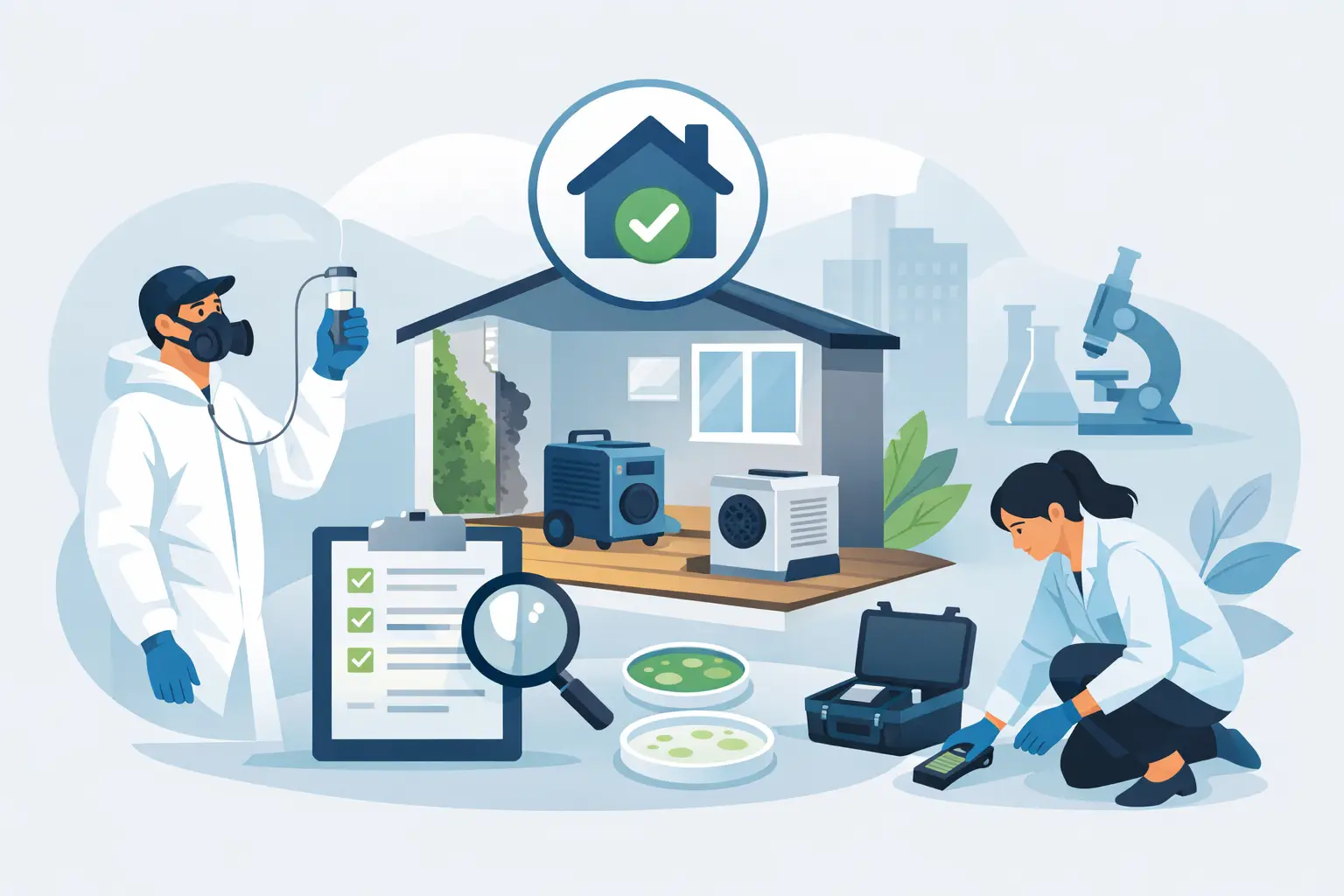
Post remediation clearance testing confirms New Jersey mold cleanup addressed the moisture source and supports safer reoccupancy after major water damage.
-
Getting a new home tested for mold in Morris County, New Jersey requires understanding local microclimates, typical housing variations, and professional testing methods. Key towns face distinct regional moisture challenges, and buyers should rely on specialized testing standards. [1, 2, 3] Why Localized Mold Testing Matters in Morris County Northern New Jersey features diverse housing…
-
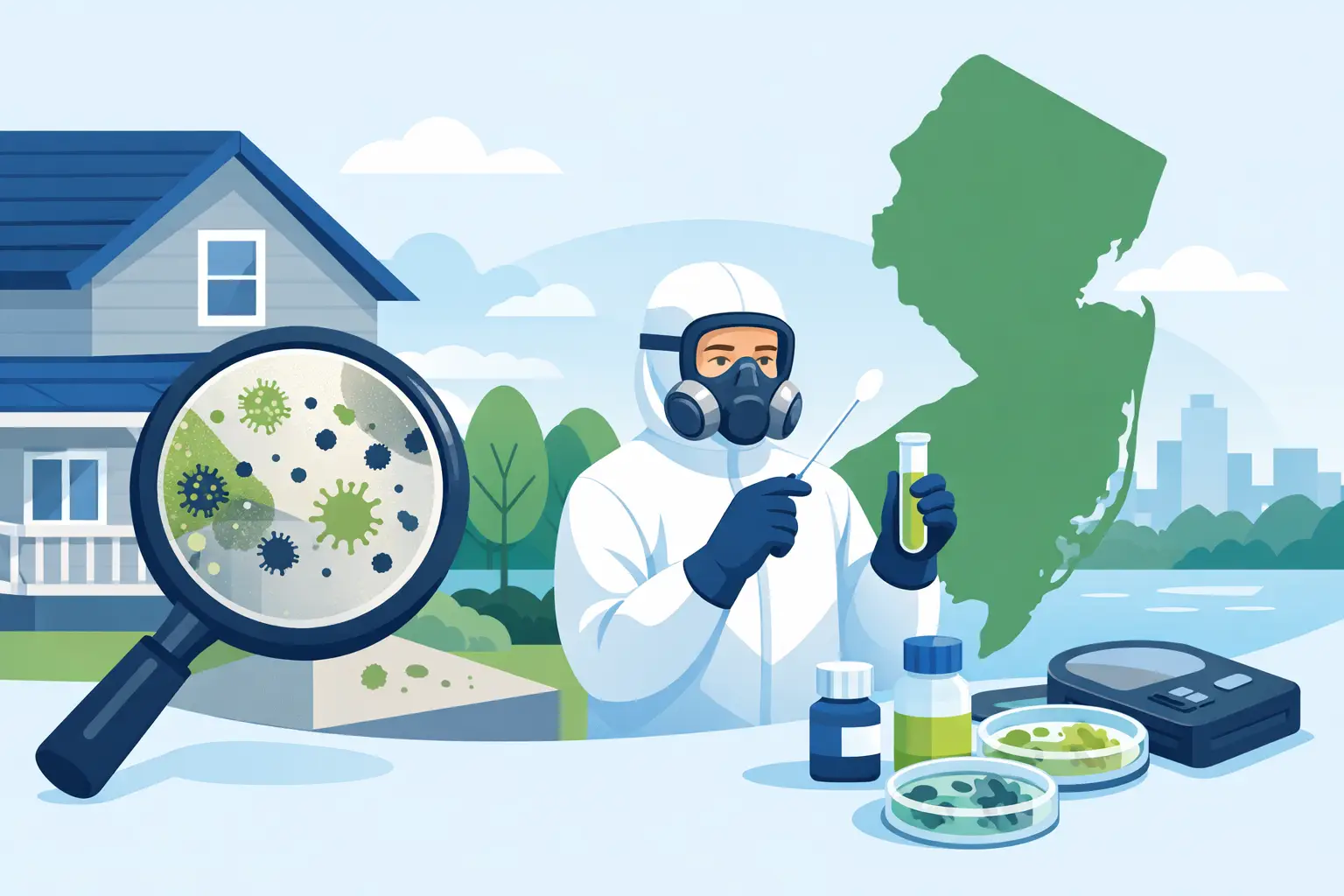
Our homeowner guide to mold testing explains when to call a certified New Jersey inspector, what samples reveal, and how to protect your home and health.
-
Finding mold in your home can be alarming. Mold is more than an unsightly stain on the wall; it degrades structural elements and severely impacts indoor air quality. Across Somerset County, NJ, different architectural styles, varying terrain, and seasonal humidity create unique conditions where indoor mold flourishes. Knowing when to call a professional for local…
-
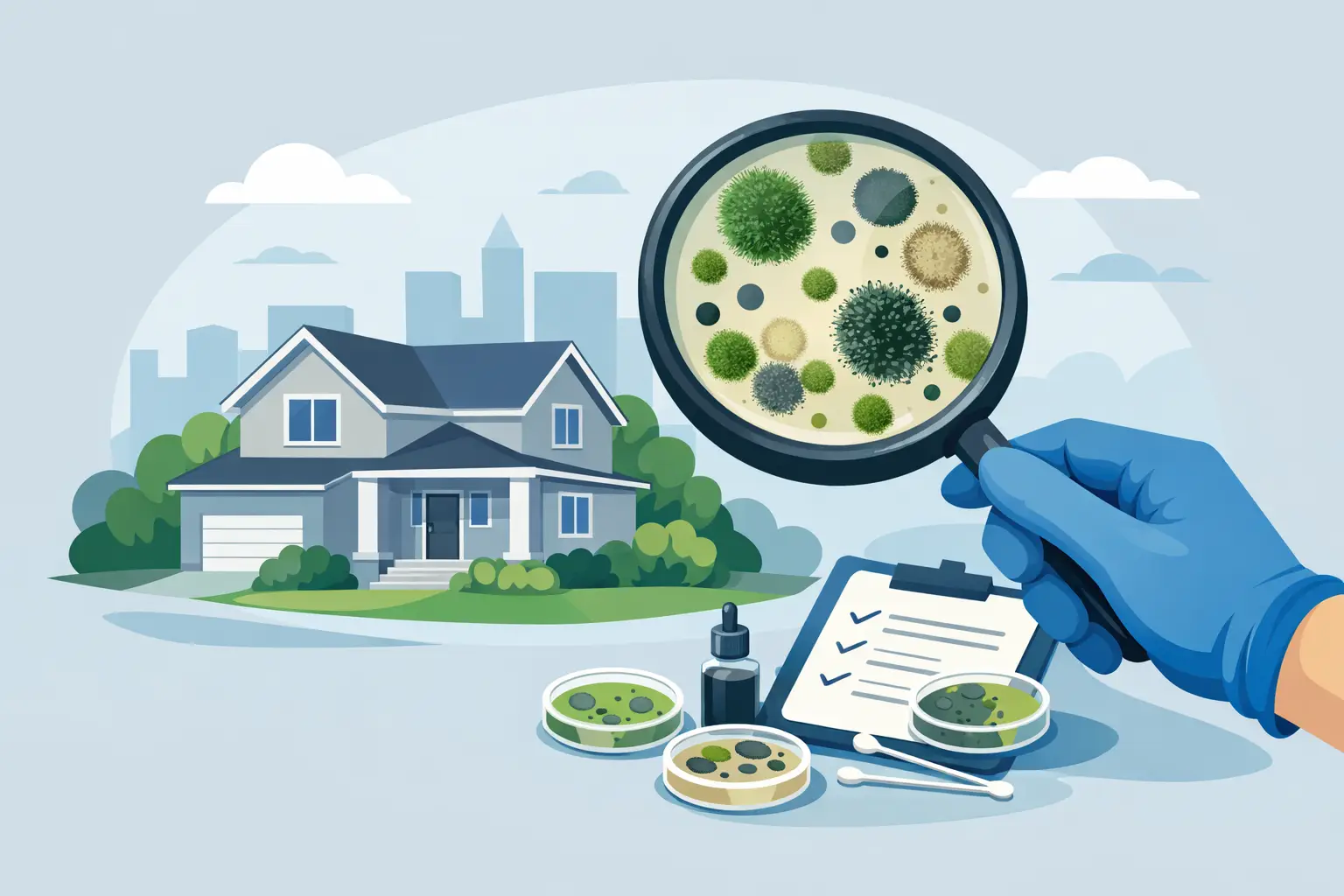
Mold testing when buying a new home can uncover hidden moisture and protect your New Jersey investment. Learn when professional testing is warranted early.
-
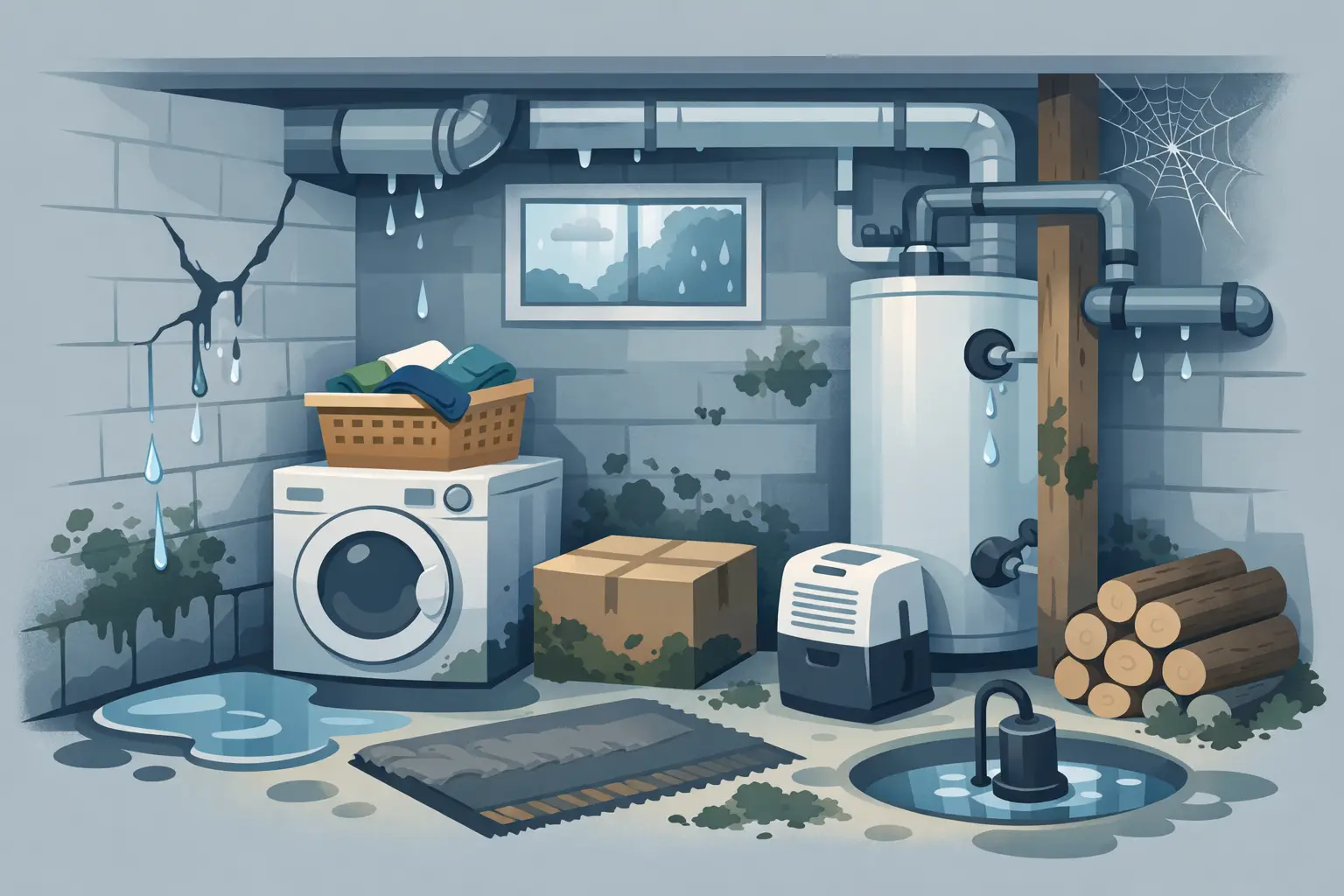
Learn what causes mold in basements, from hidden leaks to New Jersey humidity, and when professional testing and remediation protect your home safely.
-
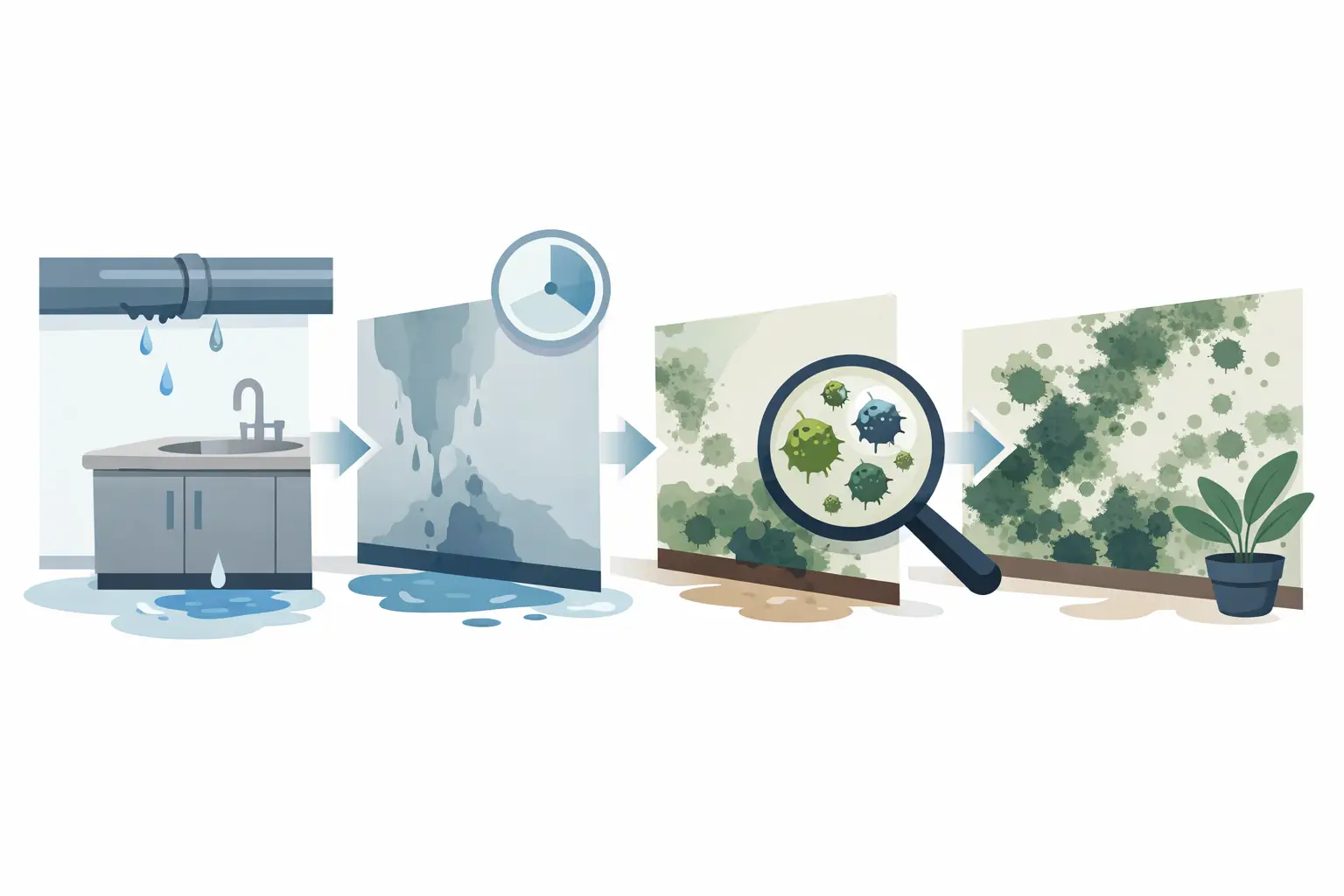
Understand the water damage mold timeline, from the first 24 hours to established growth, and learn when New Jersey homes need certified inspection now.
-

Learn the best ways to improve indoor air, control moisture, reduce mold risks, and know when New Jersey homes need professional testing and remediation.
-
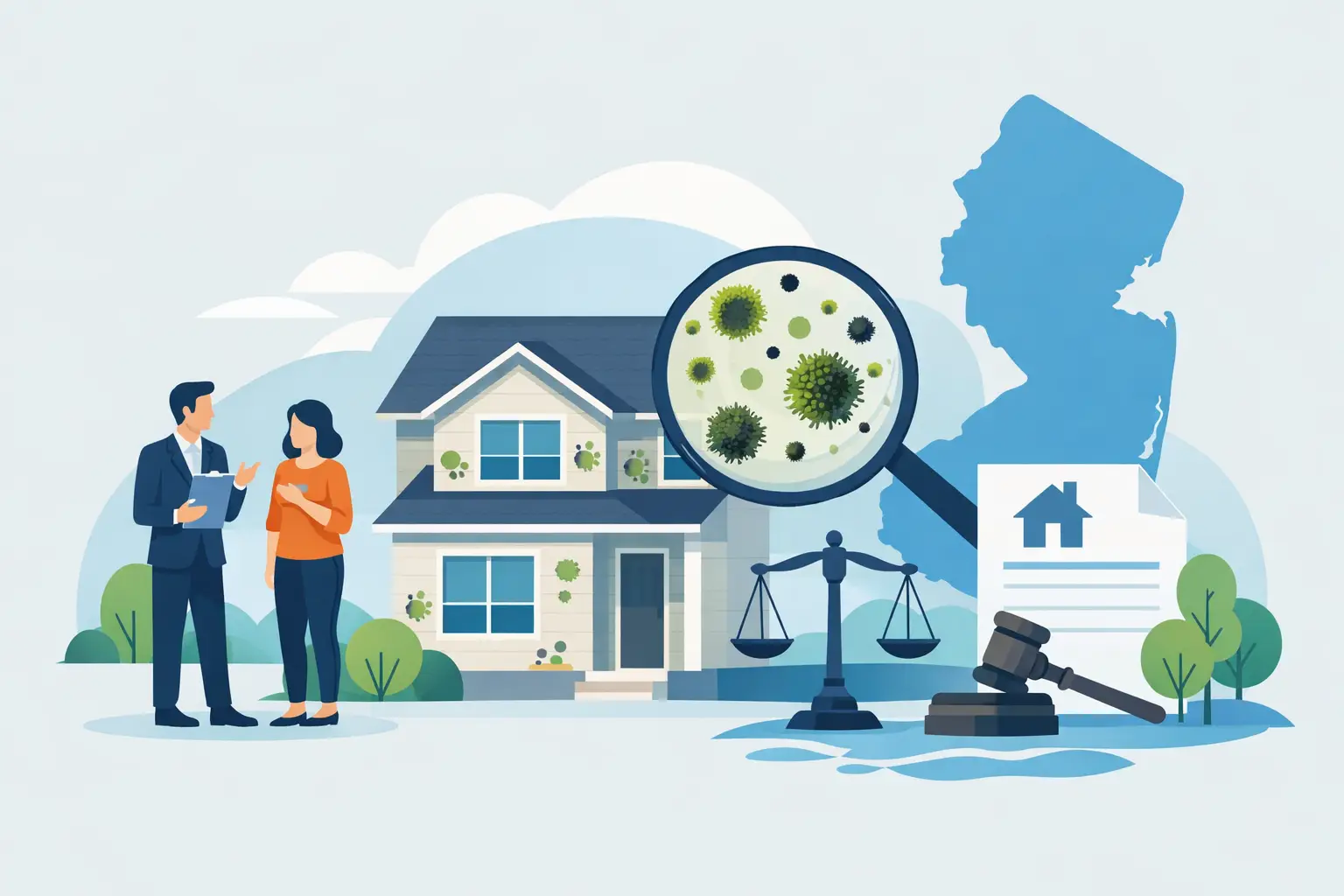
Learn landlord mold responsibility in New Jersey, tenant rights, and when professional inspection and remediation are needed after moisture damage occurs.
-
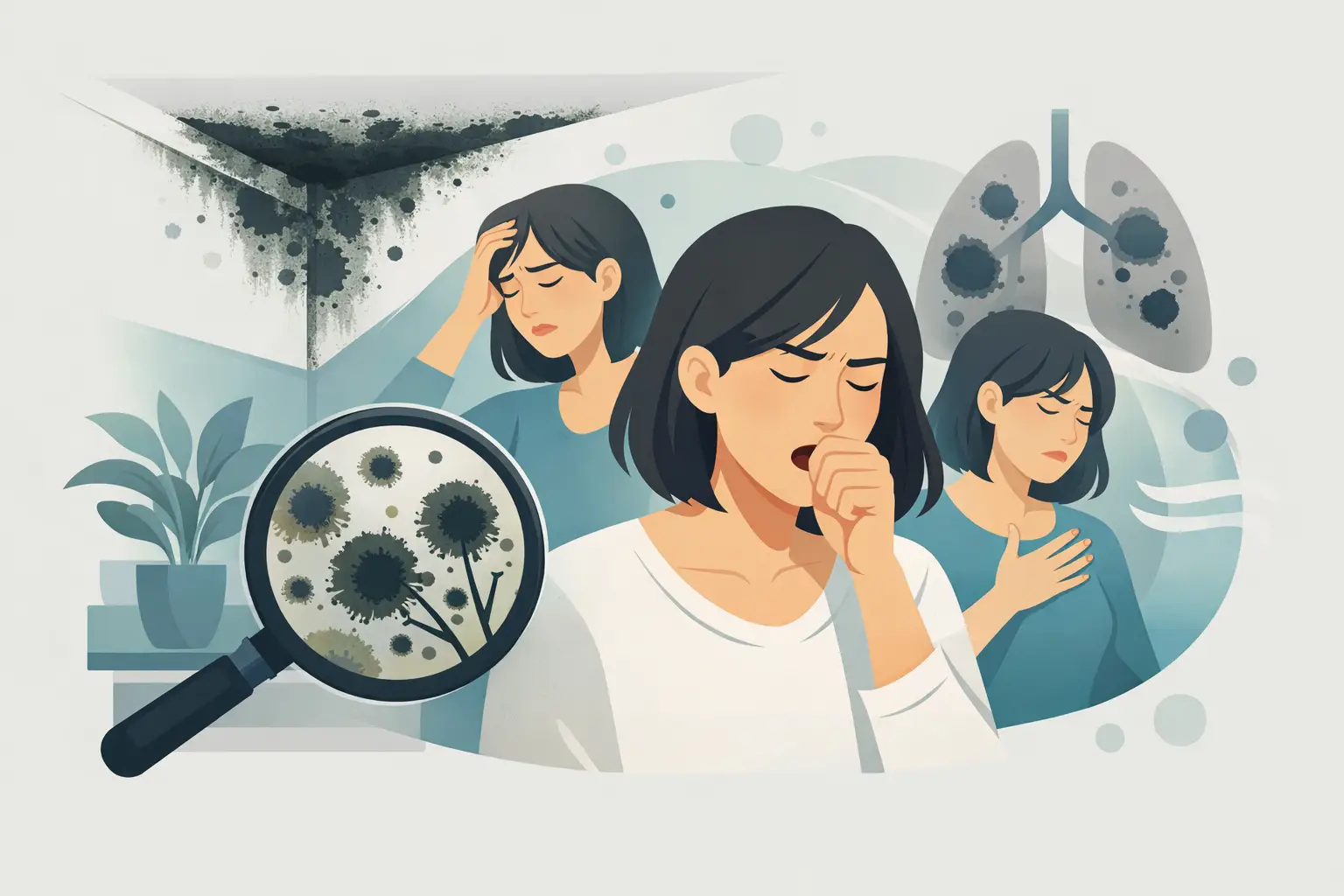
Black mold health symptoms can include irritation, coughing, and asthma flare-ups. Learn when New Jersey homeowners should arrange prompt mold testing.