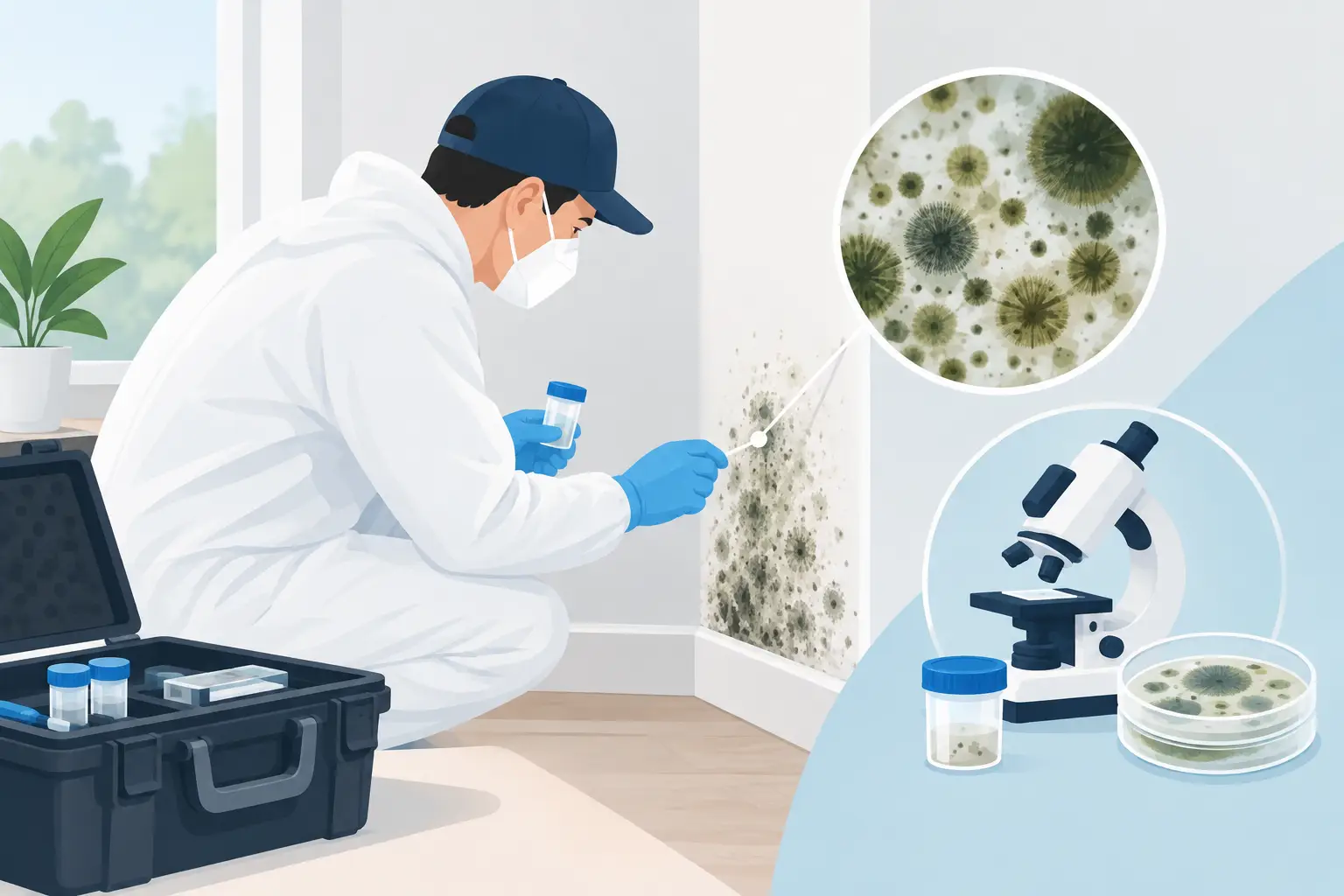
A musty basement after heavy rain, a stain below a bathroom, or a room that smells damp even after cleaning can point to more than a housekeeping issue. The certified mold testing process is designed to determine whether mold is present, where moisture is feeding it, and what needs to happen before the issue affects more of the home. For New Jersey property owners, that clarity matters. Basements, crawl spaces, older plumbing, roof leaks, and storm-related water intrusion create recurring conditions for hidden growth.
Professional testing is not simply a matter of taking one air sample and waiting for a lab report. A proper assessment connects visual evidence, moisture conditions, building materials, sampling results, and the history of the property. That approach helps homeowners avoid two costly mistakes: treating a problem that is not actually mold-related or overlooking growth behind walls, beneath flooring, or inside HVAC areas.
Why Certification Changes the Assessment
Visible mold is often only part of the problem. A certified inspector is trained to identify conditions that support microbial growth, including elevated moisture readings, condensation, damaged building materials, poor ventilation, and past water events. Certification supports a methodical inspection process rather than a guess based on odor or appearance alone.
This distinction is particularly important when the growth is concealed. A freshly painted wall can hide prior water damage. Carpet and pad may retain moisture after a basement flood. In attics, inadequate ventilation can create condensation that encourages mold on roof sheathing. In each case, the inspection must look beyond the surface.
Certification also helps ensure samples are collected, handled, and interpreted using established protocols. Laboratory data has value only when it is tied to the actual conditions inside the property. A report that lists mold types without explaining the likely source, affected areas, or recommended scope of work leaves homeowners with more questions than answers.
How the Certified Mold Testing Process Begins
The process usually starts with a detailed conversation about the property. The inspector will ask when the odor or discoloration appeared, whether there was a leak or flood, which rooms are affected, and whether residents have noticed changes in comfort or air quality. For landlords and property managers, maintenance records, tenant reports, and prior repairs can also be useful.
Next comes a visual inspection of accessible areas. This includes the reported problem area as well as nearby rooms and building systems that could be contributing to moisture. In a New Jersey home, that may mean checking a basement perimeter, sump pump area, utility room, attic, crawl space, bathroom exhaust path, window surrounds, and locations below plumbing fixtures.
The inspector looks for signs such as staining, warped trim, peeling paint, damp insulation, rust, condensation, damaged drywall, and visible fungal growth. A musty odor is documented as a clue, but it is not treated as proof by itself. Odors can travel through wall cavities and ventilation paths, so the place where the smell is strongest is not always the source.
Moisture Detection Comes Before Guesswork
Mold needs moisture to grow. That is why moisture investigation is central to a reliable inspection. Professional tools may include moisture meters, thermal imaging equipment, and hygrometers that measure relative humidity. These tools help identify wet or unusually cool areas that may indicate a hidden leak, condensation, or wet insulation.
Thermal imaging can be helpful, but it does not confirm mold. It detects temperature differences that may be associated with moisture. Those findings must be verified with a moisture meter and evaluated in the context of the building. A cold exterior wall on a winter day, for example, may not be a moisture problem. A cold pattern beneath a leaking shower valve may be.
The goal is to locate the water source as accurately as possible. Remediation without correcting the underlying leak, drainage issue, or humidity problem can lead to repeat growth and unnecessary expense.
When Air and Surface Samples Are Used
Sampling is useful when it answers a specific question. It is not required for every visible mold issue. If there is obvious growth caused by a confirmed leak, the priority may be correcting the moisture source and removing affected materials safely. Testing can still be appropriate when the extent is uncertain, when occupants are concerned about air quality, or when documentation is needed for a real estate transaction, insurance matter, landlord dispute, or post-remediation verification.
Air sampling measures airborne particles at the time of collection. A professional typically compares indoor samples with an outdoor control sample because outdoor mold spores naturally enter homes. The meaningful question is not whether any spores are present, but whether the indoor environment shows an unusual concentration or type of mold compared with normal outdoor conditions.
Surface samples may be collected from suspicious material, settled dust, or visible growth. Depending on the situation, tape lifts, swabs, or bulk samples can help identify whether a substance is mold and provide additional detail about what is present. However, a surface result does not define the full extent of contamination. A sample taken from one spot cannot rule out hidden conditions elsewhere.
Sampling has limits. Results represent conditions on a particular day, and indoor spore levels can shift with weather, HVAC use, open windows, cleaning activity, and disturbance of materials. That is why professional interpretation is as important as the laboratory report itself.
What a Professional Mold Report Should Explain
A useful report should be understandable to a homeowner while providing enough detail to guide the next step. It should identify the areas inspected, visible observations, moisture findings, samples collected, and laboratory results if testing was performed. It should also explain the likely moisture source and whether additional investigation is needed.
Most importantly, the report should provide practical recommendations. These may include repairing a plumbing or roof leak, improving basement drainage, controlling humidity, removing water-damaged porous materials, cleaning a limited area under appropriate containment, or arranging professional remediation for more extensive growth.
For larger or concealed problems, the remediation plan should address containment, protection of unaffected areas, controlled removal of damaged materials, HEPA vacuuming, detailed cleaning, and drying verification. Simply spraying a chemical product or painting over staining does not resolve an active moisture problem. It can conceal evidence while mold continues behind the surface.
Situations That Call for Prompt Professional Testing
Homeowners should not wait for mold to become widespread before seeking help. Prompt assessment is especially appropriate after a flooded basement, sewage backup, roof leak, burst pipe, appliance leak, or storm damage. It is also wise to schedule an inspection when a musty smell persists, paint repeatedly peels, a room feels consistently damp, or visible discoloration returns after cleaning.
Extra caution is warranted if moisture affected drywall, insulation, carpeting, wood framing, or contents that remained wet for more than a day or two. Porous materials can support hidden growth even when their exposed surface appears dry. In homes with vulnerable occupants, including people with respiratory sensitivities, young children, or older adults, a fast and careful response can provide needed peace of mind.
For Morris, Sussex, Warren, and Somerset County properties, seasonal humidity and heavy rainfall make basement moisture control especially important. A dehumidifier may help manage humidity, but it cannot correct foundation seepage, a failed sump pump, poor grading, or an active plumbing leak. The fix must match the source.
Testing Is the Start of a Defensible Solution
A certified inspection gives property owners evidence they can act on. It separates a minor, contained issue from a problem that requires a more structured remediation plan. It can also document conditions before repair work begins and help establish whether the moisture source has been properly addressed.
If mold is confirmed, the next decision depends on the location, extent, materials affected, and cause of the moisture. Small, accessible areas may require limited corrective work. Hidden growth, recurring water intrusion, or contamination affecting multiple rooms calls for a more controlled professional response. Mold Remedy approaches these situations with the same priority: identify the source, protect the home, and avoid shortcuts that allow the problem to return.
A mold concern is rarely improved by waiting for a stronger odor or larger stain. Early certified testing gives you a clear record of what is happening inside the property and a safer path toward restoring dry, healthy conditions.
Leave a Reply