A musty basement after heavy rain, a dark patch near an attic vent, or a lingering odor after a plumbing leak can put homeowners on edge fast. In those moments, a certified mold inspector is not just a helpful contact – they are the professional who determines what is actually happening, how far it has spread, and what should happen next.
That distinction matters. Mold problems are often misunderstood because what you can see is only part of the issue. In New Jersey homes, especially across Morris, Sussex, Warren, and Somerset counties, moisture can move behind drywall, under flooring, around window frames, and through finished basements long before staining becomes obvious. A proper inspection is about finding the source, identifying the extent, and protecting both indoor air quality and property value.
What a certified mold inspector actually does
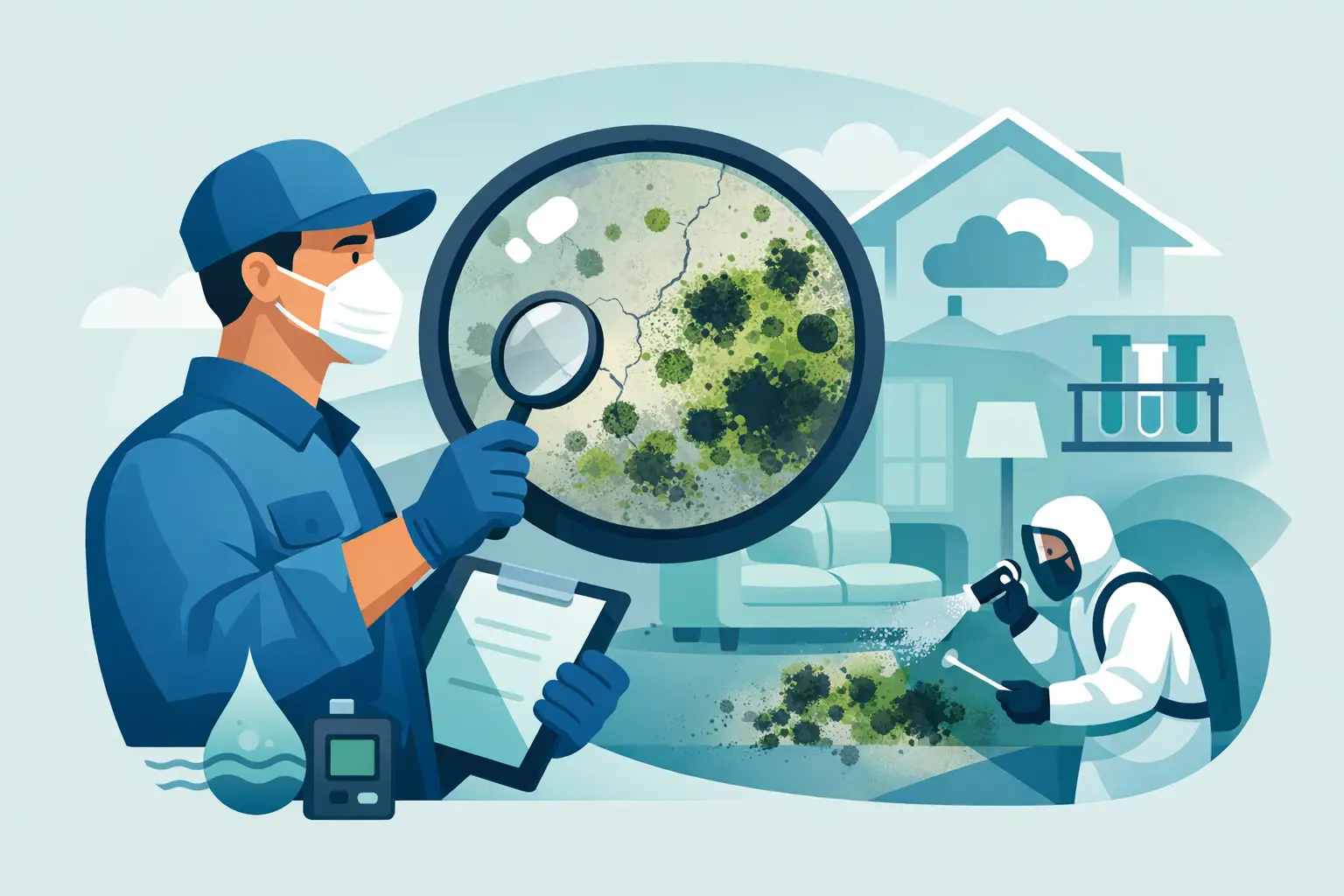
A certified mold inspector evaluates a property for signs of mold growth, moisture intrusion, and conditions that support contamination. That work is more detailed than a basic visual check. A qualified inspector looks at visible growth, water damage history, humidity patterns, ventilation concerns, and areas where hidden mold is likely to develop.
In many cases, the inspection also includes moisture mapping, air sampling, surface sampling, and an assessment of affected building materials. The goal is not to alarm a homeowner. The goal is to replace guesswork with evidence.
This is especially important when the situation is not straightforward. Some homes have visible mold in one area but much larger hidden contamination nearby. Others have strong odors and health complaints without any obvious surface growth. A trained inspector knows how to interpret those conditions and decide whether testing is necessary, where samples should be taken, and how findings should guide remediation.
Why certification matters in mold inspection
Not every person offering mold help has the same training, standards, or inspection process. That is why hiring a certified mold inspector matters.
Certification signals that the inspector has completed relevant training in mold assessment, sampling methods, building science, and contamination protocols. It also gives homeowners more confidence that the inspection will follow a professional process instead of a casual opinion based only on what is visible.
For property owners, that difference can affect everything that follows. If the inspection is incomplete, the remediation plan may be incomplete too. If hidden moisture is missed, mold can return. If air quality concerns are not evaluated properly, occupants may continue to experience odors or irritation even after cleanup.
A certified professional should also understand the limits of testing and when testing adds value. That matters because mold sampling is not something to use automatically in every case. Sometimes visible mold and clear moisture damage already justify corrective action. In other situations, testing helps confirm hidden contamination, compare indoor and outdoor conditions, or document the extent of an issue for a real estate transaction, tenant concern, or post-remediation verification.
When New Jersey homeowners should call a certified mold inspector
In Northern and Central New Jersey, mold issues often follow familiar patterns. Basement seepage, storm-driven water intrusion, roof leaks, condensation, damp crawl spaces, and bathroom ventilation problems all create ideal conditions for growth. Seasonal humidity only adds to the problem.
A certified mold inspector is worth calling when you notice a persistent musty smell, visible discoloration on walls or ceilings, recent water damage, recurring dampness, or unexplained indoor air quality concerns. The same applies if a contractor opens a wall and finds suspicious growth, or if a home inspection raises concerns during a sale.
Landlords and property managers should take the same approach. Tenant complaints about odor, respiratory irritation, or staining should be investigated carefully. Waiting for the issue to become more obvious usually makes the problem larger and more expensive to correct.
There is also a timing issue many homeowners overlook. After a leak or flood event, mold can begin developing quickly if materials remain wet. Early inspection can reduce the scope of damage by identifying which materials are still holding moisture and whether contamination has already started to spread.
What to expect during a certified mold inspection
A thorough inspection usually starts with questions. The inspector may ask when the odor started, whether there was a leak or flood, which areas feel damp, and whether anyone in the home has noticed worsening symptoms indoors. That history helps target the inspection.
From there, the inspector evaluates the property for visible signs of mold and moisture. They may use moisture meters, thermal imaging tools, or other diagnostic methods to locate damp materials behind finished surfaces. If conditions justify it, they may collect air or surface samples to help identify mold presence and support a remediation plan.
Just as important, the inspector should explain what the findings mean in plain language. Homeowners do not need technical jargon. They need clear answers about where the problem is, what is causing it, whether testing found elevated mold conditions, and what steps should be taken to address it safely.
Certified mold inspector vs. remediation contractor
Homeowners are often unsure whether they need an inspector, a remediation company, or both. The answer depends on the situation.
If you already have obvious contamination after a known water event, you may need remediation quickly. If the source or extent is unclear, inspection usually comes first. A certified mold inspector helps define the problem so the cleanup plan fits the actual conditions.
This separation can be useful because inspection and remediation serve different purposes. Inspection identifies and documents. Remediation removes contaminated materials, cleans affected areas, and addresses the moisture source. In more complex cases, independent inspection can help homeowners feel confident that the recommendations are based on findings rather than assumptions.
That said, speed matters too. In active leak situations or widespread visible growth, delays can make conditions worse. The right professional will tell you when testing is useful and when immediate containment and remediation should take priority.
The risk of relying on DIY answers
Homeowners often search for quick reassurance. They buy a test kit, wipe down the surface, run a dehumidifier, and hope the problem is gone. Sometimes that only treats the symptom.
DIY kits rarely provide the full picture because mold problems are tied to moisture behavior, building materials, ventilation, and hidden spread. A sample from one visible spot does not tell you what is inside the wall cavity, under the carpet pad, or in the basement ceiling below an upstairs leak. It also does not tell you whether cleanup was enough.
There is also a safety concern. Disturbing contaminated materials without containment can spread spores to other parts of the house. That is one reason professional inspection and remediation standards matter. The goal is not just to remove what you see. It is to address the issue without making indoor conditions worse.
Why local experience matters for a certified mold inspector
New Jersey homes present specific mold patterns. Older basements, finished lower levels, storm-related seepage, mixed seasonal humidity, and dense suburban housing all shape how moisture problems develop. An inspector who understands local housing stock and regional weather conditions can often spot likely problem areas faster and more accurately.
That local perspective also helps with practical recommendations. A generic inspection report may say there is mold in a basement. A locally experienced inspector is more likely to connect that finding to grading issues, foundation seepage, sump concerns, inadequate dehumidification, or recurring humidity common in this region.
For homeowners in counties like Morris, Sussex, Warren, and Somerset, that context matters because mold is rarely a one-time surface problem. It is usually the result of an unresolved moisture condition. If that source is not identified correctly, the same area can become contaminated again.
Choosing the right certified mold inspector
Not every inspection service offers the same level of detail, testing judgment, or communication. Homeowners should look for a company that clearly explains its certification, inspection methods, and whether sampling is recommended based on conditions rather than sales pressure.
It also helps to choose a provider that understands both inspection and remediation standards, even if those services are handled separately. That way, the findings are more likely to lead to a realistic next step instead of confusion.
A strong inspection should leave you with answers, not more uncertainty. You should understand the source of the problem, the affected areas, the testing results if samples were collected, and what should happen next to protect the home.
For New Jersey homeowners dealing with odors, leaks, basement dampness, or visible growth, the safest move is usually the clearest one: get the property evaluated by a qualified professional. When a certified mold inspector does the job properly, you are not just identifying mold – you are getting a plan to protect your air, your home, and the people living in it.
If something in your home feels off, trust that instinct and get it checked before a small moisture problem becomes a much larger repair.
Leave a Reply